
- About
- Breast
- Body
- Face
- Men
- LV Med Spa
- Gallery
- 702-240-9500
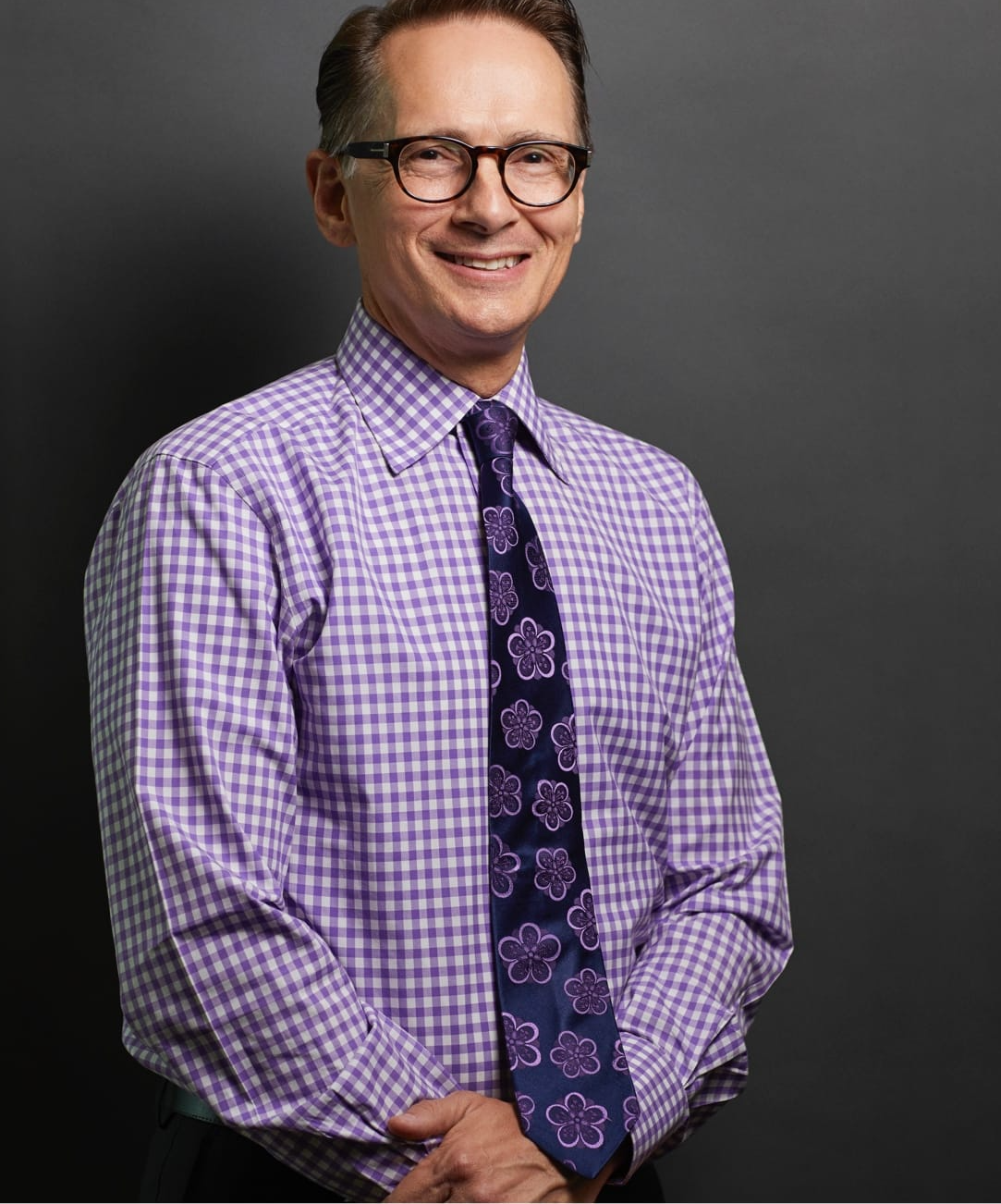
Dr. Brian J. Parker is an acclaimed cosmetic surgeon in Las Vegas known for his high-level surgical skills in breast augmentation. His expertise and authority in the plastic surgery field is widely recognized because patients trust their important procedures in his skillful hands. Dr. Parker treats each person as a unique individual and evaluates their individual goals and specific body type. The beautiful breasts you want can be achieved with Dr. Parker's expert touch, born of long experience and dedication to giving every patient the results they desire.
Schedule a ConsultationThe demand for breast augmentation in Las Vegas is exceptionally high, with hundreds of women opting for the procedure annually. The allure lies in the enhanced feminine silhouette achieved through round, shapely, augmented breasts. Beyond simply altering size, these enhancements embody sought-after beauty standards, instilling women with newfound confidence and a heightened sense of attractiveness.
For many, breast augmentation is not just a physical transformation — it's an empowering journey toward self-expression and body positivity. Whether restoring volume after pregnancy, correcting asymmetry, or simply enhancing what nature provided, this procedure remains one of the most popular and impactful choices in cosmetic surgery today.
Some women put off breast augmentation because they're worried about the cost. But when you consider what most women spend long-term on expensive bras or clothing meant to give the appearance of fuller breasts — not to mention the daily worry and lack of confidence that comes with being unhappy with their breasts — the investment is well worth it.
With Dr. Parker, patients can generally expect to pay between $8,000 and $16,000 for breast augmentation surgery. ASPS lists the national range at $6,000–$12,000, and our pricing reflects the higher level of care, expertise, and inclusivity built into every procedure.
Breast augmentation is a surgical procedure performed to enhance the size and shape of the breasts, balance breast symmetry, and create an attractive, proportionate feminine physique.
Breast volume can be lost after surgery, pregnancy, breastfeeding, or significant weight loss, and breast augmentation returns the full, attractive look of the breasts again. For women who have always been small chested and wanted to have larger, rounder breasts, or who have struggled with asymmetrical breasts, this surgery fulfills what is often a long-wished-for goal.
At LV Plastic Surgery, we offer a variety of implant options, consistencies, and sizes to help you realize your aesthetic goals for your breasts.
Candidates for breast augmentation are women who are looking to restore or enhance their breasts to achieve a fuller and more shapely appearance. Candidates should meet the following criteria:

If breast augmentation isn't the right solution for you, or if you're interested in combining procedures to achieve a more comprehensive result, LV Plastic Surgery offers a full spectrum of breast procedures to help you reach your goals.
Breast augmentation surgery adds volume with an implant. A breast lift, aka (mastopexy), removes excess skin and repositions the nipple — it does not add volume on its own. A quick self-check: stand in front of a mirror without a bra. If your nipple falls at or below the crease under your breast, a lift is typically part of the conversation.
Which do you need?
Many patients after pregnancy or weight loss benefit from the combined procedure — one recovery, one anesthesia, and a result neither procedure alone can deliver.
We offer all three FDA-approved breast implants so the choice matches your anatomy and goals, not inventory.
Filled with sterile saltwater after placement, saline implants cost less and deflate visibly if the shell fails. FDA-approved for patients 18 and older.
Silicone gel implants feel closest to natural breast tissue and are the most popular choice in the U.S. FDA-approved for patients 22 and older.
Gummy bear implants use a highly cohesive gel that holds its teardrop shape even if cut — ideal for petite frames and patients wanting upper-pole stability.
Silicone adds roughly $1,000 over saline on average, and a gummy bear typically adds another $500–$1,500 on top of that. Dr. Parker places sizers of each type in consultation so you can feel the difference directly before deciding.
There are four FDA-approved silicone gel implant manufacturers in the U.S. and we offer all four, so brand choice is driven by your needs, not a single-brand contract.
Newest to the U.S. market with 2024 FDA approval. Ergonomic gel that shifts with gravity. Reported 3-year capsular contracture rate of 1.0%–1.8%.
Johnson & Johnson brand, decades of long-term data, comprehensive warranty.
Cohesive gel in multiple firmness levels; current U.S. portfolio is smooth-shell only.
Breast-implant specialist; Platinum20 warranty covers rupture and capsular contracture for 20 years.
Breast implants are measured in cubic centimeters (cc), not bra cup size — the same volume reads differently on different chest widths. The most popular range is 300cc–400cc, but the right number for you depends on your frame, existing tissue, and the look you want.
Profile controls projection. A low or moderate profile suits wider chests; a high or ultra-high profile gives petite frames more forward projection and upper-pole fullness. Dr. Parker uses chest measurements, live sizer try-ons, and 3D imaging when helpful, so you see several options before choosing.
In recent ASAPS data, 85% of patients rate their chosen size "just right" — and only 2% wish they had gone smaller.
Breast augmentation is the most-requested procedure in the mommy makeover category. We typically recommend waiting 3–6 months after your last pregnancy and after you've finished breastfeeding, with a stable weight, so sizing decisions match the breasts you'll actually live with.
Implants do not affect the safety or nutritional value of breast milk, and future breastfeeding is still possible after augmentation. Incision choice matters: inframammary (under the crease) and transaxillary (armpit) incisions avoid the milk ducts entirely. If future breastfeeding is a priority, raise it during consultation so Dr. Parker can tailor incision placement accordingly.
Several factors influence the final cost of your breast augmentation:
Our quotes are all-inclusive: the surgeon fee, accredited surgical facility, anesthesia, implants, surgical garment, and all scheduled post-op visits with no cap on follow-ups. Financing is available through CareCredit, Alphaeon, and PatientFi.
Schedule a ConsultationMost patients are back to desk work in 7–14 days and fully cleared for all activity at six weeks. You'll go home in a surgical bra, sleep elevated on your back, and avoid lifting anything over five pounds or raising your arms overhead for the first few weeks. Expect a tight, "high and firm" feeling at first — implants take 3–6 months to fully settle into their natural position.
Dr. Parker is your point of contact for every follow-up, and our team is available 24/7 if you have questions during recovery. Call us right away if you notice: fever over 101°F, increasing redness or drainage at an incision, a sudden size change in one breast, or pain that isn't controlled by medication.
Here are ten tips for a smooth breast augmentation recovery to help you heal faster and more comfortably:
Your surgeon will provide detailed post-operative care instructions. Follow these closely, including medication schedules, cleaning routines, and follow-up appointments to ensure proper healing.
Rest is crucial for your body's healing. Avoid strenuous activities, heavy lifting, and vigorous exercises for at least 4-6 weeks. This reduces the risk of complications like implant displacement or swelling.
Your surgeon may recommend wearing a compression or surgical bra. These garments help minimize swelling, provide support, and help shape your breasts during the initial healing phase.
Sleep on your back for the first few weeks with your upper body elevated using pillows. This helps reduce swelling and prevents any undue pressure on your chest.
Drinking plenty of water and eating nutritious foods can help speed up healing. Focus on lean proteins, fruits, vegetables, and whole grains to support recovery.
Smoking can impair wound healing and increase the risk of complications, while alcohol can interfere with pain medications and slow down your recovery. Stay clear of both during your healing process.
Take prescribed medications as directed, and don't hesitate to communicate with your surgeon if your pain becomes unmanageable. You might also find comfort with cold compresses to reduce swelling and discomfort.
Although strenuous exercise is off-limits, light movement, such as walking around the house, helps promote circulation, prevents blood clots, and aids in recovery.
Keep an eye on your incisions and contact your surgeon if you notice signs of infection like redness, excessive swelling, discharge, or unusual pain. Keeping your incisions clean and dry is crucial for proper healing.
Swelling, bruising, and implant settling can take several weeks to months. Results improve gradually, so give your body time to heal and adjust before judging the final outcome.
By following these recovery tips, you'll ensure the best possible results from your breast augmentation.
Breast augmentation is one of the most-studied cosmetic procedures, and modern complication rates are low. The most commonly discussed risks are capsular contracture (abnormal scar-tissue tightening — combined published rates around 3.6%), implant rupture (silent in silicone, visible in saline), and rare device-specific events like BIA-ALCL, which has been associated with certain textured implants no longer in broad use.
Dr. Parker reduces risk with submuscular placement when appropriate, triple-antibiotic irrigation of the surgical pocket, a Keller funnel "no-touch" technique, and 24/7 direct access during recovery so any concern is caught early. We discuss your specific risk profile openly in consultation.
The "replace every 10 years" rule is outdated. Modern silicone implants typically last 10–20 years, and 2025 biomaterials research shows silicone implants retain over 90% of original tensile strength and elasticity at the 10-year mark. Saline implants typically last 10–15 years and deflate visibly if they rupture.
The FDA recommends MRI or ultrasound screening for silicone implants at 5–6 years post-op, then every 2–3 years. Replacement is driven by a real reason — rupture, contracture, or a change in goals — not a calendar.
LV Plastic Surgery provides general anesthesia for your breast augmentation procedure, ensuring you are completely asleep during the surgery.
Most women will have loss of some feeling or sensation, which usually lasts 6–12 months. About 15% of women will experience permanent alterations in nipple sensation.
Do not pick up anything that weighs over five pounds. The weight of anything heavier may have a negative impact on the implants and healing incisions. Wait for at least six weeks.
Wait until six weeks have passed before doing any rigorous exercise.
Breast augmentation is often best paired with a breast lift to raise the breasts, providing a youthful, attractive upward tilt of the breasts and nipples. Breast augmentation can also be done as part of a mommy makeover, which may include a tummy tuck, liposuction, or labiaplasty.
After the initial healing period, it will take between six weeks and three months for your implants to fully settle.
If you have a sedentary job that doesn't require exertion, you may return to work after 1–2 weeks, depending on your comfort level. Any lifting over five pounds or exertion should be avoided for at least six weeks.
During the first two weeks, the pain is moderate but should not be severe and can be controlled with medication.
702-240-9500
© LV Plastic Surgery. All Rights Reserved.
Get Started Send Us A Message


